Showing posts with label Soups. Show all posts

Sunday, December 22, 2019

Mushroom Broth


     Mushroom broth is delicious as a simple soup, a soup base, a gravy base or the liquid for cooking rice. The commercially available mushroom broth is actually pretty good, although not as good as homemade. It comes in packages made of paperboard covered with wax, though, and the wax may contain corn, soy or dairy products. If you're very allergic to any of those, you might want to make your own mushroom broth. It's actually pretty easy: you don't need to meticulously cut the vegetables into tiny pieces, for one thing: no one will see them in the end anyway. You can use up vegetables that were previously set aside in other recipes: mushroom stems, the top parts of leeks, parsley stems. Also, the broth is pretty forgiving: you can add celery, add more thyme, skip the carrot, or what have you, and still get good results.


     1 Tb. oil (See Oil in the Glossary)
     1 carrot, peeled and sliced
     the green parts of one leek, chopped
     1 onion, chopped
     6 cloves of garlic, cut into a few slices
     2 lb. of mushrooms, sliced
     good handful of parsley 
(See Produce in the Glossary)
     6-8 sprigs of thyme 
(See Produce in the Glossary)
     2 bay leaves 
     1/2 tsp. black peppercorns
     3 quarts of water (12 cups)
     salt  (See Salt in the Glossary)

         Heat the oil in a large soup pot over medium heat.  Add the carrot, leek, onion and a good sprinkle of salt, Saute gently, stirring frequently, until the veggies are softening up and the onion is translucent. Add the garlic and continue to cook until the garlic is also translucent, another minute or so. Then add the mushrooms, parsley, and thyme. Continue cooking on medium heat, stirring now and then,until the mushrooms are cooking down and releasing juice. Pour in the water, add the bay leaves and peppercorns, bring back to a boil, and simmer for an hour or a bit more. Next line a colander with a cloth and strain the broth into another large pot. Let the strained veggies cool off for a few minutes, then pick up the cloth and wring the juice out of the veggies and into the broth.

     If you are using the broth immediately as soup, add salt to taste. If not, leave it alone: this allows you to reduce it inside sauces and things without making them too salty. 

Sunday, July 1, 2018

Minestrone

The pasta is Tinkyada rice shells. I left in the beans but skipped the kale.               
Note that one can could cook beans into some of the soup. Yes, that requires a second pot.

     Minestrone is a rich, complex soup in which many flavors are melded into something quite wonderful. It is also surprisingly flexible: with so many ingredients, you can certainly change a couple of them to accommodate allergies or dislikes. If every Italian cook can have their own minestrone recipe, so can you. Allergic to beans? Leave them out. Allergic to wheat? Use rice pasta. Serving a vegetarian? Skip the sausage and replace the broth with water. Prefer your kale as chips? No problem: it'll still be minestrone without it.

     It is possible to find Italian sausage that consists entirely of meat, salt and spices; be sure to read the labels.

     One reason for relying entirely on peeled fresh tomatoes rather than, say, cans of tomato sauce is to avoid corn. (See Tomato products, cannedin the Glossary.) Another is that they provide a much better flavor.

     8 c. peeled, chopped, vine-ripened tomatoes (See Produce in the 
          Glossary )
     1 Tb. oregano (See Spices in the Glossary)
     2 Tb. basil See Spices in the Glossary)
     1 tsp. black pepper See Spices in the Glossary)
     2 Tb. olive or other oil 
(See Oil in the Glossary)
     2 Tb. butter (or another 2 Tb. olive oil if butter is a problem)
     2 celery stalks, sliced
     1 carrot, sliced
     1 onion, chopped
     salt (See Salt in the Glossary)
     oil for frying (See Oil in the Glossary)
     1 lb. Italian sausage, shaped into small balls (2/3 inch or so) (Check list 
          of ingredients.)
     1 cup chopped cabbage
     1 small zucchini, chopped
     1 medium potato, peeled and diced
     8 c. chicken broth (See Broth in the Glossary)
     (optional) 2 c. cooked beans
     (optional) 2 handfuls chopped kale (stems removed)
     cooked pasta (shells, elbows or other small pieces: see Pasta and Pasta, 
          Small  in the Glossary)

     Put the tomatoes, oregano, basil and black pepper in a large pot and bring to a boil. Cover, reduce heat, and simmer for half an hour, stirring occasionally.

     Meanwhile, melt the butter in the olive oil in a skillet. Add the celery, carrot, onion and a good sprinkle of salt and saute gently on medium low heat, stirring occasionally, until the vegetables are softened and the onion is translucent. Set aside.

      Heat some oil in a skillet and fry the sausage balls on medium heat, rolling them around occasionally, until browned on all sides and cooked through. Discard oil and set aside.

     When the tomatoes are cooked, add the celery/carrot/onion mixture to the pot, along with the sausage, cabbage, zucchini, potato, chicken broth, beans and kale.  Simmer for half an hour or so, until the vegetables are all tender (but not mushy).
   
     You now have a big pot of soup. You can stir in some cooked pasta till it looks about right, heat it all just long enough to bring it back up to temperature, adjust salt to taste and serve.  However, if you anticipate that it will not all be eaten at one meal, you might prefer to add pasta only to the amount of soup you're actually going to eat immediately. Pasta continues to absorb liquid as it sits in soup in the fridge, so the broth disappears and is replaced by huge, overly soft noodles.

Wednesday, May 2, 2018

Yeast-Free Onion Soup


     The conventional recipe for onion soup includes a good dose of wine, which of course contains traces of yeast. This recipe relies on pomegranate juice for the rich, slightly tart, fruity flavors that would usually be provided by the wine. Note that juice freshly squeezed from a pomegranate is likely to contain less yeast than bottled juice (See Juice in the Glossary). Fresh juice and bottled juice both contain a lot less yeast than wine.

     Pomegranate works well with a variety of herbs; I like bay leaf and thyme in this soup, with maybe a little parsley for a garnish. 
     
     The usual garnish for onion soup is a toasted piece of good, crusty bread with melted  cheese. Bread and cheese both being serious sources of yeast and other allergens, it is time to consider alternative garnishes--or rediscover what a good soup this is without all that stuff on top of it.


     8 c. sliced onions
     1/4 c. oil (See Oil in the Glossary.)
     salt (See Salt in the Glossary.)
     6 c. beef broth (See Broth in the Glossary.)
     1/2 c. pomegranate juice (See Juice in the Glossary)
     good sprinkle of black pepper (See Spices in the Glossary.)
     1 bay leaf
     small pinch of thyme (See Spices in the Glossary)
     (optional) handful of washed fresh Italian parsley
  
     Thoroughly caramelize the onions with the oil and 2 tsp. of salt. Add all the remaining ingredients except the parsley, bring to a boil, and simmer for half an hour.  Adjust salt and pepper to taste.

     Garnish with chopped fresh parsley leaves if you like.


Monday, April 24, 2017

Garlic Soup

     This classic Spanish/Mexican soup contains no common allergens. It is traditionally served with a poached egg in it and some bread on the side, but is a delicious, mellow soup on its own. It is not at all pungent, as the garlic is thoroughly cooked. Just be sure to use a separate pot for finishing with a poached egg if eggs are an issue for someone at your house. 


     1 head of garlic
     olive or other oil (See Oil in the Glossary)
     8 cups of good chicken broth (See Broth in the Glossary)
     2 sprigs of epazote, either fresh or dried (See Produce or Spices in the 
          Glossary)
     black pepper (See Spices in the Glossary)
     salt (See Salt in the Glossary)
     chopped chives, parsley or cilantro (See Produce in the Glossary)
     limes
     optional: eggs

     Break open the head of garlic. Remove the outer peels and the stems; do not peel the individual cloves. Place them in a very narrow saucepan and add enough oil to cover (probably about 1/3 cup). Cook at very low heat until the garlic cloves are quite soft, probably 20-25 minutes. Pour the garlic and oil into a medium soup pot and add the broth, the epazote, a good sprinkle of black pepper, and salt to taste. Bring to a boil, and simmer for 20 minutes.

     Remove the epazote. Strain out the garlic. You can now easily crush the garlic cloves and remove the peels. Mash the garlic thoroughly and stir it back into the soup.

     Optional: To finish with an egg, bring one bowlful of soup to a boil in a small saucepan.  Break one egg and gently slide it into the soup.  Turn the heat down to barely simmering and poach the egg just until the white is cooked. Gently transfer to a bowl. (I recommend transferring the egg with a slotted spoon and then pouring the broth into the bowl.)

     Garnish with chopped chives, parsley or cilantro and serve with lime wedges and bread.

Monday, December 12, 2016

Dairy-Free, Gluten-Free Creamy Asparagus Soup

Creamy asparagus soup garnished with bacon and mild red pepper

     The thick "creaminess" of this soup comes from the rice (or potato). One advantage of not using a dairy product (besides not setting off a dairy allergy) is that you can add a whole new flavor dimension with a squirt of lemon juice— without having to worry that your soup will curdle.

     2 Tb. oil (See Oil in the Glossary)
     1 chopped onion
     1 pound washed, trimmed* asparagus (~2 bundles)
     6 c. chicken broth (See Broth in the Glossary)
     salt (See Salt in the Glossary)
     black pepper (See Spices in the Glossary)
     1/2 c. rice 
(See Rice in the Glossary) or one potato, cut up

     Saute the onion in the oil on medium heat with a good sprinkle of salt just until the onion is translucent; do not brown. Add the asparagus, the chicken broth and a sprinkle of black pepper. Bring to a boil, add the rice (or potato), and simmer until the rice is thoroughly cooked (20-30 min). Puree in a blender.  Put through a strainer if necessary. Adjust salt to taste.

     Garnish with chopped crispy bacon (see Bacon on this page), chopped dill leaves, crushed red pepper flakes or lemon wedges if you like.


*You want to trim off all the hard, woody part at the base of the asparagus spear: otherwise, your soup is likely to end up with lumps in it.


Monday, December 14, 2015

Dairy-Free, Gluten-Free Creamy Carrot Soup


     Carrot soup usually contains some amount of whipping cream and/or sour cream. These are delicious additions, and I highly recommend them as condiments (i.e. available on the table for folks with no allergy to dairy, not in the soup). Freshly squeezed lemon juice is an excellent alternative condiment, and chopped parsley leaves are a great garnish because they add just the right herbal note to the soup.
     Carrots are a starchy vegetable: this soup is thick and creamy without the addition of flour or any other starch.

t


     3 Tb. oil (See Oil in the Glossary)
     1 onion, chopped
     salt (See Salt in the Glossary)
     2 cloves garlic, sliced
     1 Tb. peeled, grated fresh ginger
     4 c. chicken stock (See Broth in the Glossary)
     1 lb. carrots, trimmed (These will cook faster if halved or quartered 
          lengthwise.)

     Gently saute the onion in the oil with a good sprinkle of salt; do not brown. When the onion is soft and translucent, add the garlic and cook for another minute or so, until the garlic is softened up but not browned. Add the ginger, chicken stock and carrots; bring to a boil; reduce to a simmer and cook until the carrots are thoroughly soft. Puree thoroughly, in batches, in a blender. Adjust salt. Garnish with parsley if you like.

Tuesday, July 14, 2015

Tomato-Rice Soup

      This soup is an example of a recipe that could be salvaged and made nonallergenic with only minor substitutions.  The original recipe called for 2 Tb. of butter to be melted in 2 Tb. of olive oil.  To make it dairy-free I simply replace the butter with extra olive oil. This doesn't hurt the flavor of the soup a bit.  To make it corn-free, I use fresh, peeled tomatoes. Canned tomatoes and tomato products usually contain citric acid made from corn and/or soy. Grocery-store tomatoes are generally coated with wax, which may contain corn, soy, or dairy products. Peeled, fresh tomatoes are the best thing to make tomato soup out of in any case. Just dunk the tomatoes in boiling water for 15 seconds, then get them into a large bowlful of cold water.  The skins will pull off easily. If you need to avoid produce treated with ethylene gas (made from corn), the tomatoes need to be "vine-ripened."


     1/4 c. olive oil (See Oil in the Glossary)
     2 large celery stalks, sliced
     2 large carrots, sliced
     1 medium onion, chopped
     7-8 c. peeled, chopped, vine-ripened tomatoes (See Produce in the 
          Glossary)
     1-1/2 tsp. basil (See Spices in the Glossary)
     salt (See Salt in the Glossary)
     4 c. water
     1/2 c. rice (See Rice  in the Glossary


     Gently saute the celery, carrots and onion in the olive oil with a good sprinkle of salt until the onion is translucent.  Add the tomatoes, basil, salt and water and bring to a boil.  Add the rice and simmer until the rice is done. Salt to taste.


Wednesday, December 10, 2014

Chilled Cucumber-Avocado Soup


     Now, what about chilled cucumber-yogurt soup, that perfect, refreshing appetizer for hot days? Well, I haven’t found a decent nondairy and otherwise hypoallergenic substitute for plain yogurt yet, but the following recipe totally occupies the same culinary niche as cucumber-yogurt soup. I’m not sure I don’t like it better.

     3 cucumbers, peeled and seeded (See Produce in the Glossary)
     2 cloves garlic, peeled
     ¼ c. freshly squeezed lime juice (See Juice in the Glossary)
     1 small package fresh dill (~3/4 oz.), stems removed (See Produce in 
          the Glossary)
     1 sprig of mint, stem removed, or a good pinch of dried mint 
          (See Produce in the Glossary)
     1 avocado (See Produce in the Glossary)
     4-5 green onions, sliced very thin
     salt (See Salt in the Glossary)

     Blend 2 of the cucumbers with the garlic, lime juice, dill, mint and avocado. In a regular home blender this may take 2 batches, each with 1 cucumber, ½ avocado, 2 Tb. lime juice, etc. Add a bit of water if needed to get the mixture to blend thoroughly. Dice the remaining cucumber very small. Stir the diced cucumber and the green onions into the soup and salt to taste. Keep chilled.


Creamy Fava Soup


     Favas are a vetch, not a true bean. Allergies to beans do not necessarily mean an allergy to favas.  

     My grandson, who used to get sick from the amount of soy lecithin in a chocolate bar or the bit of soybean oil in a handful of candy corn, was unable to eat any kind of peas, lentils or beans. Favas, though, he could gobble with impunity. 

     Favas have a distinctive flavor of their own that is not especially "beany." Fortunately, they also are versatile: they can be eaten straight from the shell or prepared in a surprising variety of ways. This soup based on favas is vaguely reminiscent of split pea soup or lentil soup.

     Note that there is a rare genetic enzyme deficiency (not a true allergy) that gives some people, especially of Middle Eastern or African descent, gastrointestinal distress when they eat favas. 

     1 onion, sliced
     2-3 Tb. vegetable oil (See Oil in the Glossary)
     1 carrot, peeled
     4 cups chicken stock, beef stock or water (See Broth in the Glossary)
     2-1/2 c. fresh or frozen favas (just the beans, not the pods) or 1 c. dried 
          favas, presoaked*
     salt (See Salt in the Glossary)

     Gently saute the onion in the vegetable oil with a sprinkle of salt until soft and transparent; do not brown. 

     Add the carrot, stock, and favas, bring to a boil, and simmer until the fava beans and carrot are soft.  This will take 1 to 1-1/2 hours for dry favas, less for fresh or frozen ones.

     Process thoroughly in a good blender.  Salt to taste.  Serve with lemon wedges and Tabasco.

     *You can presoak overnight in enough cold water that the favas will still be covered after they swell up to twice their size or so; alternatively, you can bring them to a boil in the water, remove from heat, cover tightly, allow to soak for one hour and drain. This method, besides being quicker, is good for removing any "gas."
    If you use Bob's Red Mill favas, you do not need to presoak them: they are ready to cook.

Hypoallergenic Creamy Celery Soup


     Cream of celery soup usually comes in a can, contains multiple allergens and is used as an ingredient in certain retro recipes.  This hypoallergenic version can be used in those recipes but is actually a tasty soup by itself. It relies on multiple celery parts to get a deep, rich celery flavor, and the celery root provides the thickening.

     You can still serve cream and/or nondairy milk on the side as condiments. Since the milk or cream in a cream soup is only added at the end anyway, this represents no major change in the recipe for anyone who does add cream to their soup. In fact, this ploy has one spectacular advantage: there is no danger of curdling the leftover soup if you later reheat it.

     1/4 c. oil (See Oil in the Glossary)
     1 bunch of celery stalks, washed, trimmed and sliced 
     1 medium onion, sliced
     salt (See Salt in the Glossary)
     1 medium celery root, peeled and cut up
     1 tsp. celery seeds (See Spices in the Glossary)
     4 c. chicken stock or water (See Broth in the Glossary)

     Gently saute the onion and celery in the oil with a pinch of salt until the onion is soft and translucent; do not brown. Add all the other ingredients and boil until  the vegetables are completely soft. Puree thoroughly in batches in a blender. Add a bit more liquid if the soup is too thick. Adjust salt to taste.

     Garnish with crumbled bacon (See Bacon in the Glossary) and/or finely chopped raw celery if you would like some crunch.


Monday, December 8, 2014

Dairy-Free Creamy Pumpkin Soup

     Canned pumpkin is severely overcooked stuff with a metallic aftertaste: either roast a pumpkin yourself or get some frozen pumpkin. Butternut and acorn squash work very well in this recipe too.

     Coconut and pumpkin are flavors that work very well together, and coconut milk is delightfully rich and smooth: this "creamy" soup will not leave you missing dairy products. 


     2 cloves garlic, crushed
     oil (See Oil in the Glossary)
     1 Tb. paprika (See Spices in the Glossary)
     2 tsp. cumin (See Spices in the Glossary)
     2 tsp. dry ginger (See Spices in the Glossary)
     1 tsp. coriander (See Spices in the Glossary)
     4 c. pureed cooked pumpkin (See Pumpkin, roasted and pureed, in 
          the Glossary)
     3 c. chicken stock (See Broth in the Glossary)
     1 c. canned coconut milk (See Coconut and Milk in the Glossary)
     salt (See Salt in the Glossary)
     (optional) cilantro leaves, chopped (See Produce in the Glossary)
     (optional) green onions or chives, washed and sliced

     Gently saute the garlic in a smidgen of oil.  Add the spices, pumpkin and chicken stock, and heat to boiling. Salt to taste. Garnish with cilantro and/or green onions or chives if you like.


Potato-Leek Soup and Vichysoisse: Classic Nonallergenic Soups


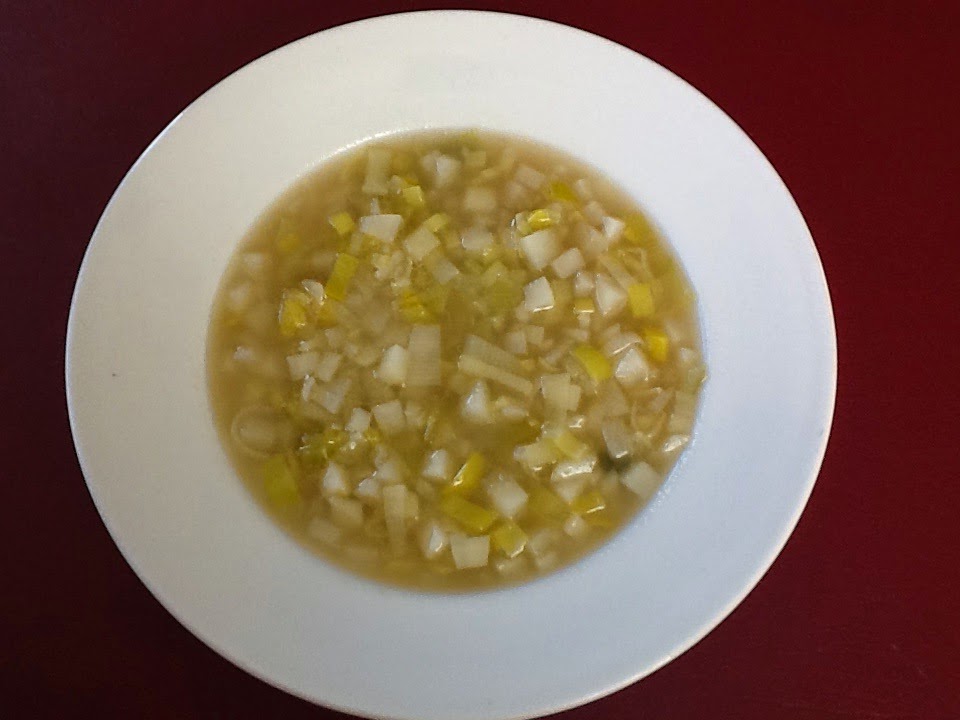
Potato-leek soup

     Potatoes, leeks and chicken stock are delicious together, with or without dairy products. Note that cream is not necessary for thickening a potato-leek soup: the starch in the potatoes accomplishes that.  

     The cream in a cream soup is added at the end of the cooking time; since it doesn't need to be cooked in, cream or nondairy "milk" can simply be placed on the table as an optional condiment. Thus, these soups can easily be dairy-free. If you make the chicken stock yourself instead of using paperboard cartons of chicken broth, this soup can also be free of the corn, soy or dairy products that lurk in the wax on these cartons..

     Note that you don't need to cut the leeks or the potatoes very small if you are going to blend the soup into vichysoisse!

Vichysoisse


     3 cups leeks, halved or quartered lengthwise and sliced (the white and 
          the tender green parts)
     3 cups peeled, diced potato
     3 Tb. oil (See Oil in the Glossary)
     6 cups chicken stock (See Broth in the Glossary)
     salt (See Salt in the Glossary)

     Saute the leeks on medium heat with a good sprinkle of salt in whichever oil you are not allergic to until they are translucent and softening; do not brown them at all. Add the potatoes and continue to cook for another minute or so. Add the chicken stock. Bring the soup to a boil and simmer until the vegetables are soft (half an hour or so, depending on how small the vegetables were cut). Adjust the salt to taste. You now have potato-leek soup, which is excellent hot. To turn it into vichysoisse, puree the soup thoroughly, in batches, in a good blender and chill it thoroughly. 

   Garnish with chopped fresh dill, chives or parsley or crumbled bacon (See Bacon in the Glossary) if you like. Serve with cream and/or any nondairy milk you can tolerate on the side.